


How To Get Rid Of Ants in 4 Easy Steps
Carpenter Ant Control Products
Carpenter ants hollow out wood to build their nests, and our carpenter ant control products give homeowners and DIYers a clear, colony-level path to a damage-free home. From baits and non-repellent sprays to dusts and foams, every solution is selected to reach the nest where the problem actually lives.
-
-
-
-
-
-
-
-
-
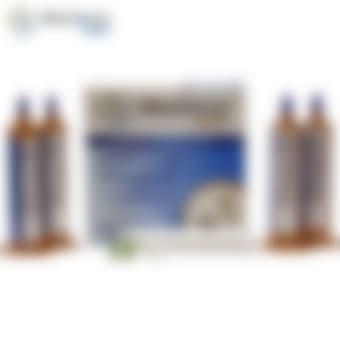
- Optigard Ant Bait Gel OptiguardSpecial Price $31.85 Regular Price $37.48
-
-
Why Carpenter Ant Control Means Reaching the Nest
A handful of carpenter ants on a windowsill rarely tells the whole story. These ants do not eat wood, they excavate it, carving out smooth galleries inside framing, doors, and baseboards to house satellite nests that can total thousands of workers. Spraying the ants you can see only scatters the colony and leaves the queen untouched, so the activity returns within days.
Effective carpenter ant control works the other direction: it uses products that foraging workers carry back to the nest, so the treatment reaches the queen and the colony collapses from the inside.
How to Choose the Right Carpenter Ant Control Products
Carpenter ants forage on two feeding cycles, sugar and protein, and the cycle shifts through the season. Because of this, the most reliable approach pairs a sugar-based bait with a protein-based bait so the colony takes whichever it currently needs. Maxforce Fleet is a carbohydrate gel that satisfies the sugar cycle, while Advance Carpenter Ant Bait is a protein-based granular bait built for the protein cycle. Both use delayed-action ingredients, giving worker ants time to share the bait throughout the nest before it takes effect. When you are unsure which cycle the ants are on, set out a dab of honey near a trail; if they swarm it, lead with the sugar bait.
For perimeter and barrier work, a non-repellent insecticide is the better tool. Ants cannot detect these products, so they walk through the treated zone and track the active ingredient back to nestmates instead of avoiding it. This is what separates a lasting result from a temporary one, and it is why repellent sprays alone tend to disappoint against carpenter ants.
Targeting the Nest with Dusts and Foams
Carpenter ant galleries are often hidden inside wall voids, hollow doors, and framing behind the spots where you see damage or frass. To reach them, locate activity near window sills, baseboards, and other hollow areas, then drill small holes two to six feet on either side of the suspected nest and apply a dust, aerosol, or foam directly into the void. Dusts spread through the colony as ants groom one another, and foams expand to fill cavities that liquids cannot coat. Treating the void itself, rather than the surface, is the step most DIYers skip and the one that ends the infestation.
Indoor and Outdoor Treatment Together
Many carpenter ant problems are powered by a parent nest outside, often in a tree, stump, or woodpile, with satellite nests indoors. Treating only inside leaves the outdoor source intact. A complete plan combines interior bait placements along trails with an exterior perimeter treatment using a non-repellent residual, which intercepts foraging ants as they move between nests. Used together, these products to kill carpenter ants address both the visible activity and the colony feeding it.
Related Categories
Frequently Asked Questions
Do carpenter ants actually eat the wood in my house?
No. Carpenter ants excavate wood to build their nests but do not consume it, leaving behind smooth galleries and small piles of sawdust-like frass. The damage comes from the tunneling, which can weaken framing over time if a large colony goes untreated.
Why do the ants come back after I spray them?
A contact spray, especially a repellent one, only eliminates the workers you see and signals the rest of the colony to relocate. Because the queen and the bulk of the nest are never reached, the colony rebuilds. Baits and non-repellent products solve this by being carried back to the nest.
Should I use a sugar bait or a protein bait?
Often both. Carpenter ants alternate between sugar and protein feeding cycles, so placing both bait types lets the colony take whichever matches its current need and improves your odds of full colony control.
Where is the carpenter ant nest likely to be?
Indoor satellite nests favor moist or hollow areas such as wall voids, window frames, and spaces behind baseboards, while the parent nest is frequently outdoors in a tree, stump, or woodpile. Following trails at night, when these ants are most active, helps pinpoint both.
Can I handle carpenter ant control myself?
Yes. With the right combination of baits, a non-repellent perimeter treatment, and a dust or foam for hidden voids, most homeowners can manage carpenter ants effectively. Call 1-800-476-3368 if you would like help matching products to your situation.
Get Started With Professional Carpenter Ant Control
Reclaim your home from wood-damaging ants with proven, professional-grade products built to reach the colony at its source. Shop our full range of carpenter ant control products today, and call our knowledgeable staff at 1-800-476-3368 if you need help building the right treatment plan.
Contact Us Today