


Get Rid of Crickets
Cricket Control Products
When crickets start chirping inside your walls and chewing on fabric, the right cricket control products make the difference between a quick fix and a recurring problem. DIY Pest Control carries professional-grade cricket killer options for every cricket species and every space, so you can match the cricket insect killer to your situation and get results.
-
- Quali-Pro Imidacloprid .5G InsecticideSpecial Price $57.73 Regular Price $62.82
-
-
-
-
-
-
-
-
-
-
-
Why Crickets Become a Problem Indoors
Crickets are occasional invaders that wander indoors as outdoor conditions change, slipping through gaps around doors, foundations, and utility lines. House crickets, field crickets, and camel crickets are drawn to warmth, moisture, and clutter, and once inside, they feed on paper, fabric, and stored food. Because they breed outdoors and migrate in waves, treating only what you see indoors rarely solves the problem. Lasting results come from combining the right cricket control products with attention to the entry points and harborage that keep crickets coming back.
Types of Cricket Control Products
Effective cricket control usually relies on more than one product type working together. Each format addresses a different part of the problem, from the crickets already inside to the population pressure building around your foundation.
Cricket Baits
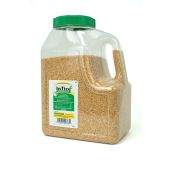
Cricket baits are scattered granular products that crickets feed on directly, making them ideal for perimeter zones, garages, crawl spaces, and landscape beds where crickets gather. Because crickets do the work of finding and eating the bait, this approach reaches insects in cracks and voids that sprays may miss.
Cricket Insecticide Concentrates
Insecticides for cricket control are diluted in a sprayer and applied as a barrier around the structure and along interior entry points. A properly applied concentrate leaves a residual that continues working for weeks, intercepting crickets as they attempt to move indoors.
Insect Growth Regulators
Cricket IGRs disrupt the cricket life cycle by preventing nymphs from maturing into reproducing adults. Pairing an IGR with a bait or concentrate addresses both the crickets present now and the next generation.
How to Get the Best Results from Cricket Control Products
Start by reducing harborage near your home: trim vegetation away from the foundation, move firewood and debris back, and seal gaps around doors and utility penetrations. Apply a perimeter treatment of concentrate or bait in a band around the structure, then treat interior entry points such as door thresholds, baseboards, and garage edges. Reduce exterior lighting or switch to bulbs less attractive to insects, since bright lights draw crickets toward the house at night.
Related Pest Control Categories
For broader protection against crawling pests that share the same entry points as crickets, explore these related categories:
- Spider Control Products — Spiders often follow the same insects that crickets attract, so controlling both improves overall results.
- Silverfish Control — Another moisture-loving occasional invader found in many of the same indoor areas.
- Roach Control Products — Closely related to crickets and managed with similar baits and concentrates.
FAQs
What are the most effective cricket control products?
A combination approach works best. Pairing a perimeter concentrate with a scatter bait controls the crickets already inside while creating a barrier that stops new ones from entering. Adding an IGR helps prevent the next generation from developing.
How do I stop crickets from coming inside?
Focus on the perimeter and entry points. Seal gaps around doors, windows, and utility lines, then apply a concentrate barrier around the foundation. Reducing exterior moisture, clutter, and bright lighting removes the conditions that attract crickets to the structure.
Are cricket baits or insecticide sprays better?
They solve different parts of the problem. Baits are excellent for outdoor harborage and hard-to-reach voids, while concentrate sprays create a residual barrier along the structure. Using both gives the most complete control.
How long does it take to get rid of crickets?
Most situations improve within one to two weeks. Initial knockdown happens quickly, but heavy outdoor populations may require a follow-up application and ongoing perimeter maintenance to keep crickets from returning.
Will cricket control products work on mole crickets?
Mole crickets require turf-specific timing. Because mole crickets damage lawns from below the soil surface, granular insecticides applied in mid-June through July, after eggs hatch, give the best control of the immature nymphs.
Trust DIY Pest Control for Cricket Control Products
Need help choosing the right cricket control products for your home or property? Call DIY Pest Control at 1-800-476-3368 to speak with our knowledgeable staff and build a treatment plan that fits your situation.
Contact Us Today