


Crawling Insects Pest Control Products

Loading...

Crawling Insect Control Products

Crawling insects like ants, cockroaches, spiders, fleas, ticks, and termites can quickly spread indoors and outdoors. Control infestations with professional-grade crawling insect control products designed to eliminate pests and prevent future activity.

Choose from sprays, baits, dusts, granules, and insect growth regulators trusted to protect homes, lawns, and structures from common crawling pests.

We stock a full line of insecticides for controlling a wide variety of crawling insects. Our products include insecticide concentrates, traps, powders, aerosol sprays and more. Should you have any questions, we have a full staff of experts with many years of pest control experience ready to assist you.  Feel free to call us toll free or contact us by email or Live Chat. 

Crawling insects are among the most persistent and damaging pests homeowners, property managers, and pest control professionals face, causing billions of dollars in property damage each year while also posing health risks to people and pets. From ants tunneling through kitchen walls to termites silently destroying structural wood, these pests are responsible for the majority of residential and commercial pest complaints nationwide, with the Environmental Protection Agency estimating that Americans spend over $6 billion annually on pest control services. Effective crawling insect control is not a single action but an ongoing process that involves accurate pest identification, targeted product selection, proper application techniques, and consistent prevention strategies. This page is designed to help you understand what crawling insects are, where they come from, how to treat infestations both indoors and outdoors, and how to prevent future problems, while providing access to professional-grade products trusted by licensed pest control operators and shipped directly to homeowners across the country.

Items 1-16 of 543

Set Descending Direction
Page
per page

Having trouble finding the right product or need additional information? Please call us at 1-800-476-3368

Understanding Crawling Insects and Where They Hide

Crawling insects are pests that move along surfaces, soil, and structures rather than flying. Common crawling pests include ants, cockroaches, fleas, bed bugs, beetles, termites, spiders, centipedes, millipedes, silverfish, and earwigs.

These pests enter homes through cracks, gaps around doors and windows, plumbing openings, attic vents, and materials brought indoors. They thrive anywhere food, moisture, and shelter are available.

Indoors, crawling insects commonly hide in kitchens, bathrooms, wall voids, crawl spaces, baseboards, under appliances, and around plumbing. Outdoors, they hide under mulch, rocks, leaf litter, logs, and soil near foundations and entry points.

Correct pest identification is important for effective crawling insect control because different pests require different treatment methods.

How to Identify a Crawling Insect Infestation

Early identification helps prevent severe infestations and costly damage. Signs of crawling insect activity often appear before large populations develop.

  • Visible live insects or insect trails
  • Droppings, frass, or insect debris
  • Shed skins or egg cases
  • Damage to wood, fabrics, stored products, plants, or turf
  • Increased pest activity near moisture, food, or entry points

Sticky traps and visual inspections can help confirm pest activity and guide the right treatment plan.

Crawling Insect Prevention and Treatment

Prevent Crawling Insects Before They Enter

  • Seal entry points: Close cracks in foundations, gaps around doors and windows, and utility penetrations to block pest access.
  • Reduce moisture: Fix leaks, improve drainage, ventilate crawl spaces, and keep basements dry to eliminate conditions that attract pests.
  • Remove food and harborage: Store food in sealed containers, clean debris, trim vegetation, and keep mulch and firewood away from foundations.
  • Apply perimeter protection: A scheduled perimeter treatment with a residual insecticide such as Bifen I/T, Permethrin SFR, or Suspend Polyzone creates a protective barrier that helps stop crawling insects before they enter. For added prevention, apply exterior granules or perimeter bait products such as Ridesco WG Insecticide or Intice 10 Perimeter Bait around foundations, landscaping beds, and entry points.

Outdoor Crawling Insect Treatment

Outdoor perimeter treatments provide the first line of defense against crawling insects. Apply insecticide in a band extending several feet up the foundation and outward onto surrounding soil. Focus on doors, windows, utility openings, garage areas, and other entry points.

Granular insecticides are useful for turf pests such as white grubs, chinch bugs, cutworms, and sod webworms. Reapply perimeter treatments every 30 to 90 days or after heavy rainfall to maintain consistent protection.

Indoor Crawling Insect Treatment

Indoor treatments target cracks, crevices, and hidden harborage areas where insects live and travel. Apply residual insecticides along baseboards, door frames, cabinets, and entry points to control active infestations.

Add an insect growth regulator (IGR) to prevent immature insects from developing into breeding adults and improve long-term control. Dust formulations can be applied in wall voids, outlets, and behind appliances where liquid treatments cannot reach.

Repeat treatments every two weeks during the first month to break breeding cycles, then shift to monthly maintenance as needed.

Common Crawling Insects

Understanding the most common crawling insects helps you identify infestations quickly and choose the right treatment products for long-term control.

Ants

Ants are among the most common household pests. Effective ant control focuses on eliminating the colony with slow-acting baits and using perimeter treatments like Bifen I/T or Termidor SC to help prevent entry.

Cockroaches

Cockroaches reproduce quickly and can trigger allergies and asthma. Successful cockroach control combines gel baits such as Advion Cockroach Gel Bait or Maxforce FC Magnum with residual insecticides and insect growth regulators.

Fleas

Fleas spread quickly and require treatment of pets, indoor living areas, and outdoor resting areas. For complete flea control indoors and outdoors, combination products such as the Indoor Outdoor Flea Kit provide coordinated treatments designed to eliminate fleas in carpets, living spaces, and outdoor harborage areas at the same time.

Termites

Termites can cause serious structural damage if left untreated. Subterranean termite control typically includes soil treatments using non-repellent termiticides such as Taurus SC Insecticide, which creates a treated zone around foundations to eliminate termite colonies. Monitoring and baiting systems like the Advance Termite Bait System can also be used for ongoing detection and long-term protection against future infestations.

Spiders

Spiders often enter homes while searching for prey insects. Reducing insect populations and applying residual sprays around eaves, corners, and foundations helps improve spider control. Products such as Onslaught FastCap provide strong knockdown and residual control.

Choosing the Right Crawling Insect Control Products

Selecting the right crawling insect control product depends on the pest type, treatment location, and formulation. Professional-grade products are available in liquid concentrates, granules, dusts, aerosols, and baits designed for specific pest problems.

  • Active ingredient: Rotating insecticide chemistries helps reduce resistance, especially for pests like cockroaches and bed bugs.
  • Formulation type: Liquids provide broad coverage, granules treat soil and turf pests, dusts reach hidden areas, and baits help eliminate colonies at the source.
  • Target pest: Match the product label to the pest species and treatment location for best results.
  • Indoor vs. outdoor use: Use products labeled for the intended treatment area and follow all application directions.

Use the pest links on this page to quickly find recommended crawling insect control products for your specific pest problem.

FAQs About Crawling Insects

What are crawling insects?

Crawling insects are pests that move primarily by walking rather than flying. The term is used broadly in pest control to include ants, cockroaches, fleas, bed bugs, beetles, termites, silverfish, earwigs, and also non-insects like spiders, scorpions, mites, and millipedes because they share similar harborage and treatment approaches.

Where do crawling insects hide indoors?

Common indoor hiding places include kitchens and bathrooms; behind appliances; under sinks; inside cabinet voids; around plumbing; in wall voids; along baseboards; in attic insulation; and inside crawl spaces. Bed bugs and fleas concentrate near sleeping areas and pet resting spots, while termites and wood-boring beetles target structural wood and subfloor areas.

How do you prevent crawling insects from entering a home?

Prevention includes sealing entry points (cracks, gaps, utility penetrations), reducing moisture (fix leaks, improve drainage, use dehumidifiers), removing harborage and food sources (clean kitchens, manage trash, pull mulch back from the foundation), and applying a preventive perimeter treatment with a residual insecticide on a regular schedule.

How can you tell if you have a crawling insect infestation?

Signs include seeing live insects, finding droppings or frass, noticing structural damage, spotting shed skins or egg cases, observing trails or mud tubes, and seeing plant or turf damage. Sticky monitoring traps placed along baseboards or under appliances can help confirm activity and identify the pest.

What is a typical indoor treatment approach for crawling insects?

Indoor treatment typically includes inspection, applying a residual insecticide along baseboards and cracks/crevices, adding an insect growth regulator (IGR) to disrupt breeding cycles, and using insecticidal dusts in wall voids and other dry inaccessible areas. Repeat treatments may be needed to break the breeding cycle and then transition to maintenance applications.

What is a typical outdoor treatment approach for crawling insects?

Outdoor control usually focuses on a perimeter barrier: treating a band up the foundation and out onto the ground, plus entry points like doors, windows, and utility penetrations. Turf and lawn pests may require granular products, and treatments are typically reapplied every 30–90 days during active seasons or after heavy rainfall.

Understanding Crawling Insects and Where They Hide

Crawling insects are pests that move along surfaces, soil, and structures rather than flying. Common crawling pests include ants, cockroaches, fleas, bed bugs, beetles, termites, spiders, centipedes, millipedes, silverfish, and earwigs. These pests often enter homes through cracks in foundations, gaps around doors and windows, plumbing openings, attic vents, and materials brought indoors.

Crawling insects thrive wherever food, moisture, and shelter are available. Indoors, they commonly hide in kitchens, bathrooms, wall voids, crawl spaces, baseboards, under appliances, and around plumbing. Bed bugs and fleas gather near sleeping areas, while termites and wood-boring insects target structural wood.

Outdoors, crawling insects hide under mulch, rocks, leaf litter, logs, and soil near foundations and entry points. Proper pest identification is critical for effective crawling insect control, since different pests require different treatment methods. Misidentification can lead to repeated infestations and wasted product.

How to Identify a Crawling Insect Infestation

Confirming the presence of a crawling insect infestation before purchasing products saves time and money. Identification guides your product selection, application method, and treatment locations.

Look for the following signs around your home:

  • Live insects. The most direct evidence. Capture a specimen for comparison against an identification guide or contact the DIY Pest Control expert staff for help with identification.
  • Droppings. Cockroach frass resembles ground black pepper. Rodent droppings indicate rodent activity that can also signal insect infestations. Termite frass appears as small wood-colored pellets near exit holes.
  • Structural damage. Hollowed or softened wood, frayed fabric and paper, chewed food packaging, shredded insulation, and surface galleries in wood are all signs of active insect feeding.
  • Shed skins and egg cases. Cockroaches leave behind egg capsules (oothecae). Bed bugs leave shed skins and dark fecal spotting on mattress seams and bedding. Spiders produce egg sacs often concealed in corners and crevices.
  • Trails and runways. Ants follow established pheromone trails. Termites construct mud tubes along foundation walls and wooden surfaces. Slugs and snails leave a dry, shiny mucus trail on surfaces.
  • Plant and turf damage. Irregular feeding on leaves, dying turf patches, wilted plants, and disturbed soil can indicate the presence of subsurface feeders like white grubs, sod webworms, cutworms, or chinch bugs.

If you cannot confirm the pest species from physical evidence, a sticky monitoring trap placed along baseboards, under appliances, or in a closet can capture insects overnight for closer examination.

Crawling Insect Prevention and Treatment

Effective crawling insect control combines prevention and targeted treatment. Crawling pests enter homes through cracks, moisture sources, and hidden harborage areas. Sealing entry points, reducing moisture, and applying professional-grade insecticides helps eliminate active infestations and prevent future pest problems.

Prevent Crawling Insects Before They Enter

  • Seal entry points: Close cracks in foundations, gaps around doors and windows, and utility penetrations to block pest access.
  • Reduce moisture: Fix leaks, improve drainage, ventilate crawl spaces, and keep basements dry to eliminate conditions that attract pests.
  • Remove food and harborage: Store food in sealed containers, clean debris, trim vegetation, and keep mulch and firewood away from foundations.
  • Apply perimeter protection: A scheduled perimeter treatment with a residual insecticide such as Bifen I/T, Permethrin SFR, or Suspend Polyzone creates a protective barrier that helps stop crawling insects before they enter. For added prevention, apply exterior granules or perimeter bait products such as Ridesco WG Insecticide or Intice 10 Perimeter Bait around foundations, landscaping beds, and entry points to reduce pest activity outside the structure.

Outdoor Crawling Insect Treatment

Outdoor perimeter treatments provide the first line of defense against crawling insects. Apply insecticide in a band extending several feet up the foundation and outward onto surrounding soil. Focus on entry points such as doors, windows, and utility penetrations.

Granular insecticides are useful for turf pests such as white grubs, chinch bugs, cutworms, and sod webworms. Reapply perimeter treatments every 30 to 90 days or after heavy rainfall to maintain consistent protection.

Indoor Crawling Insect Treatment

Indoor treatments target cracks, crevices, and hidden harborage areas where insects live and travel. Apply residual insecticides along baseboards, door frames, cabinets, and entry points to control active infestations.

Add an insect growth regulator (IGR) to prevent immature insects from developing into breeding adults and improve long-term control. Dust formulations can be applied in wall voids, outlets, and behind appliances where liquid treatments cannot reach.

Repeat treatments every two weeks during the first month to break breeding cycles, then shift to monthly maintenance as needed.

Choosing the Right Crawling Insect Control Products

Selecting the right crawling insect control product depends on the pest type, treatment location, and formulation. Professional-grade products are available in liquid concentrates, granules, dusts, aerosols, and baits designed to target specific pests and environments.

When choosing a product, consider the following factors:

  • Active ingredient: Rotating insecticide chemistries helps prevent resistance, especially for pests like cockroaches and bed bugs.
  • Formulation type: Liquids provide broad coverage, granules treat soil and turf pests, dusts control insects in wall voids, and baits eliminate colonies at the source.
  • Target pest: Always match the product label to the pest species and treatment location for best results.
  • Indoor vs. outdoor use: Use products specifically labeled for the intended treatment area and follow all application instructions.

If you are unsure which product to use, the DIY Pest Control team can help identify pests and recommend professional-grade solutions tailored to your situation.

Common Crawling Insects

Ants

Ants are the most commonly reported household pest in the United States. More than 700 species of ants are found across North America, but a small number, including odorous house ants, pavement ants, carpenter ants, fire ants, and Argentine ants, are responsible for the vast majority of residential infestations. Ant colonies can range in size from a few dozen workers to several million, depending on the species. Effective ant control requires treating the colony rather than individual foraging workers. Baiting with a slow-acting bait like Advion Ant Gel or Optigard Ant Bait Gel allows foragers to carry the active ingredient back to the colony and share it with the queen and brood. Perimeter sprays with Bifen I/T or Termidor SC (for specific ant species) provide additional control at entry points.

Cockroaches

Cockroaches are among the most resilient and adaptable crawling insects on the planet. The four most commonly encountered species in the United States are the German cockroach, American cockroach, Oriental cockroach, and brown-banded cockroach. German cockroaches are the most problematic indoor species, reproducing rapidly and becoming resistant to insecticides when the same product chemistry is used repeatedly. Cockroach allergens are a recognized trigger for asthma, particularly in children. A successful cockroach treatment program combines gel bait placement (Advion Cockroach Gel Bait or Maxforce FC Magnum) with a residual liquid insecticide treatment of harborage areas and the addition of an IGR to prevent nymphs from developing into breeding adults.

Fleas

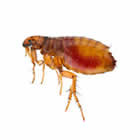
Fleas are parasitic insects that feed on the blood of mammals and birds. Cat fleas (Ctenocephalides felis) are the species responsible for the majority of residential infestations, despite their name, and commonly infest both cats and dogs. A single female flea can lay up to 50 eggs per day, and flea populations can escalate from a few insects to a full home infestation within weeks. Flea control requires simultaneous treatment of pets (using veterinarian-approved products), indoor living areas, and outdoor pet environments. Indoors, Precor 2000 Plus Aerosol treats carpets, furniture, and pet resting areas with a combination of an adulticide and an IGR. Outdoors, treat shaded areas where pets rest with a residual spray such as Bifen I/T.

Bed Bugs

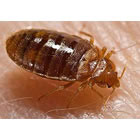
Bed bugs (Cimex lectularius) are small, flat, reddish-brown insects that feed exclusively on blood. They do not transmit disease, but their bites cause significant discomfort and their infestations cause considerable anxiety and financial hardship. Bed bugs are expert hitchhikers and spread rapidly through hotels, multi-unit housing, public transportation, and secondhand furniture. They hide during the day in mattress seams, box springs, bed frames, headboards, behind baseboards, and inside electrical outlets. Treatment requires a combination of thorough heat treatment or steam application, residual liquid insecticide (such as Temprid SC or Cimexa Dust), and mattress and box spring encasements. DIY Pest Control offers complete bed bug treatment kits that include everything needed to address an active infestation.

Termites

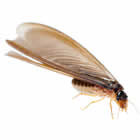
Termites cause an estimated $5 billion in property damage in the United States every year, more than fires, floods, and windstorms combined for structural damage. Subterranean termites are the most destructive species and are found in every state except Alaska. They build mud tubes from the soil to access wood, traveling unseen inside walls, floors, and structural framing. Drywood termites, common in the South and Southwest, infest wood directly without soil contact and can be identified by their distinctive pellet-like frass. Subterranean termite control typically relies on soil treatment with non-repellent termiticides like Termidor SC or Taurus SC, which workers carry back to the colony, or baiting systems like Advance Termite Bait System for monitoring and elimination. Drywood termites are treated with fumigation, heat treatment, or localized injection of Termidor Dry or borate-based products like Bora-Care.

Spiders

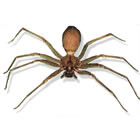
While not true insects, spiders are among the most frequently reported crawling pests around homes. Most spiders are beneficial predators that help control other insects, but venomous species like the black widow (Latrodectus spp.) and brown recluse (Loxosceles reclusa) pose genuine health risks. Spiders enter homes in search of prey insects and harborage. Reducing other insect populations around the home naturally reduces spider pressure. For direct spider control, residual insecticide sprays applied to corners, eaves, garage interiors, and foundation areas are effective. Cobweb eliminator products combined with a perimeter spray of Bifen I/T or Onslaught FastCap provide excellent knockdown and residual control of spiders both indoors and out.

Silverfish and Firebrats

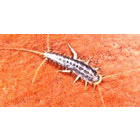
Silverfish (Lepisma saccharina) and firebrats (Thermobia domestica) are primitive, wingless insects that feed on starchy materials, including paper, book bindings, wallpaper paste, fabric sizing, and stored grain products. Silverfish prefer cool, damp environments and are commonly found in basements, bathrooms, and around plumbing. Firebrats prefer high heat and are often found near furnaces, boilers, and hot water pipes. Both insects can cause significant damage to books, documents, clothing, and food storage areas. Firebrat and silverfish control involves reducing humidity, sealing harborage areas, and applying residual insecticides or dusts (Delta Dust, CimeXa Dust) in wall voids, around pipes, and in other known harborage zones. Sticky traps placed along baseboards confirm activity levels and track treatment progress.

Centipedes and Millipedes

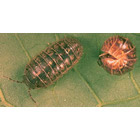
Centipedes are predatory arthropods with one pair of legs per body segment and are fast-moving hunters that feed on insects, spiders, and other small arthropods. House centipedes (Scutigera coleoptrata) are the most common indoor species and are capable of delivering a mild, painful bite if handled. Millipedes have two pairs of legs per segment, are slower-moving, and feed on decaying organic matter. Both species require moisture to survive and typically enter homes during wet weather or when outdoor conditions become unfavorable. Perimeter treatment with a residual insecticide and the elimination of moist harborage sites (leaf litter, mulch piled against the foundation, and wood debris) provide effective control. Indoor populations typically die without outdoor moisture sources; a dehumidifier in affected areas speeds this process.

Earwigs

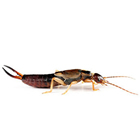
Earwigs (order Dermaptera) are slender, reddish-brown insects easily identified by the pair of forceps-like cerci on their abdomen. Despite a persistent myth, earwigs do not enter human ears. They are primarily outdoor insects that feed on plant material and decaying organic matter and are drawn inside by moisture and heat. Earwigs are most problematic in garden beds and around foundations where mulch, leaf litter, and moisture accumulate. Outdoor treatment with a residual granule like Bifen L/P Granules around the foundation perimeter and a liquid perimeter spray will eliminate earwig pressure. Reducing mulch depth and pulling ground cover back from the foundation removes the harborage that attracts them.

FAQs About Crawling Insects

What are crawling insects?

Crawling insects are pests that move primarily by walking rather than flying. The term is used broadly in pest control to include ants, cockroaches, fleas, bed bugs, beetles, termites, silverfish, earwigs, and also non-insects like spiders, scorpions, mites, and millipedes because they share similar harborage and treatment approaches.

Where do crawling insects hide indoors?

Common indoor hiding places include kitchens and bathrooms; behind appliances; under sinks; inside cabinet voids; around plumbing; in wall voids; along baseboards; in attic insulation; and inside crawl spaces. Bed bugs and fleas concentrate near sleeping areas and pet resting spots, while termites and wood-boring beetles target structural wood and subfloor areas.

How do you prevent crawling insects from entering a home?

Prevention includes sealing entry points (cracks, gaps, utility penetrations), reducing moisture (fix leaks, improve drainage, use dehumidifiers), removing harborage and food sources (clean kitchens, manage trash, pull mulch back from the foundation), and applying a preventive perimeter treatment with a residual insecticide on a regular schedule.

How can you tell if you have a crawling insect infestation?

Signs include seeing live insects, finding droppings or frass, noticing structural damage, spotting shed skins or egg cases, observing trails or mud tubes, and seeing plant or turf damage. Sticky monitoring traps placed along baseboards or under appliances can help confirm activity and identify the pest.

What is a typical indoor treatment approach for crawling insects?

Indoor treatment typically includes inspection, applying a residual insecticide along baseboards and cracks/crevices, adding an insect growth regulator (IGR) to disrupt breeding cycles, and using insecticidal dusts in wall voids and other dry inaccessible areas. Repeat treatments may be needed to break the breeding cycle and then transition to maintenance applications.

What is a typical outdoor treatment approach for crawling insects?

Outdoor control usually focuses on a perimeter barrier: treating a band up the foundation and out onto the ground, plus entry points like doors, windows, and utility penetrations. Turf and lawn pests may require granular products, and treatments are typically reapplied every 30–90 days during active seasons or after heavy rainfall.

What Are Crawling Insects?

Crawling insects are pests that move along surfaces, soil, and structures rather than flying. Common crawling pests include ants, cockroaches, fleas, bed bugs, beetles, termites, spiders, centipedes, millipedes, silverfish, and earwigs. These pests often enter homes through cracks, gaps around doors and windows, plumbing openings, attic vents, and materials brought indoors.

Correct pest identification is critical for successful crawling insect control. Different pests require different treatment methods, and misidentification can lead to repeated infestations and wasted product.

Where Crawling Insects Hide

Crawling insects thrive wherever food, moisture, and shelter are available. Indoors, they commonly hide in kitchens, bathrooms, wall voids, crawl spaces, baseboards, under appliances, and around plumbing. Bed bugs and fleas gather near sleeping areas, while termites and wood-boring insects target structural wood.

Outdoors, crawling insects hide under mulch, rocks, leaf litter, logs, and soil. The most effective prevention method is applying a perimeter treatment around foundations, entry points, and moisture-prone areas to stop insects before they enter.

How to Identify a Crawling Insect Infestation

Confirming the presence of a crawling insect infestation before purchasing products saves time and money. Identification guides your product selection, application method, and treatment locations.

Look for the following signs around your home:

  • Live insects. The most direct evidence. Capture a specimen for comparison against an identification guide or contact the DIY Pest Control expert staff for help with identification.
  • Droppings. Cockroach frass resembles ground black pepper. Rodent droppings indicate rodent activity that can also signal insect infestations. Termite frass appears as small wood-colored pellets near exit holes.
  • Structural damage. Hollowed or softened wood, frayed fabric and paper, chewed food packaging, shredded insulation, and surface galleries in wood are all signs of active insect feeding.
  • Shed skins and egg cases. Cockroaches leave behind egg capsules (oothecae). Bed bugs leave shed skins and dark fecal spotting on mattress seams and bedding. Spiders produce egg sacs often concealed in corners and crevices.
  • Trails and runways. Ants follow established pheromone trails. Termites construct mud tubes along foundation walls and wooden surfaces. Slugs and snails leave a dry, shiny mucus trail on surfaces.
  • Plant and turf damage. Irregular feeding on leaves, dying turf patches, wilted plants, and disturbed soil can indicate the presence of subsurface feeders like white grubs, sod webworms, cutworms, or chinch bugs.

If you cannot confirm the pest species from physical evidence, a sticky monitoring trap placed along baseboards, under appliances, or in a closet can capture insects overnight for closer examination.

Preventing Crawling Insects Around Your Home

Prevention is the foundation of long-term crawling insect control. Even the best insecticide application will underperform if the conditions that attract and sustain pests are not addressed.

Eliminate entry points. Inspect the exterior of your home thoroughly and seal cracks in the foundation, gaps around windows and doors, utility penetrations, weep holes, and areas where pipes or conduits enter the structure. Use silicone caulk for small gaps and expandable foam for larger voids. Install or replace door sweeps on all exterior doors, and check that window screens are intact and tight-fitting.

Reduce moisture. Most crawling insects are drawn to moisture. Fix leaky faucets, pipes, and roof areas. Ensure that gutters drain away from the foundation. Use a dehumidifier in basements and crawl spaces, and maintain adequate ventilation. Keep crawl spaces dry by covering soil with a heavy poly vapor barrier. Outside, grade soil and landscaping away from the structure so water does not pool near the foundation.

Remove harborage and food sources. Keep kitchens clean and store food in sealed containers. Empty trash regularly and use bins with tight-fitting lids. Outside, remove wood piles stored against the structure, clear leaf litter, pull mulch back several inches from the foundation, cut tall grass and weeds, and eliminate standing water in gutters, plant saucers, and low-lying areas. Stack firewood on raised racks away from the home and away from any structure.

Apply a preventive perimeter treatment. A scheduled perimeter treatment with a residual insecticide like Bifen I/T, Permethrin SFR, or Suspend Polyzone creates a chemical barrier that eliminates crawling insects before they enter the structure. For most homes, quarterly exterior applications are sufficient to maintain control. More frequent applications may be needed during peak pest seasons or in areas with heavy insect pressure.

Get Rid of Crawling Insects Inside, Outside, and Around Your Property

Indoor Crawling Insect Treatment

Indoor treatment begins with a thorough inspection to locate harborage areas, entry points, and active insect populations. Before applying any product indoors, remove food items, dishes, and pet bowls from treatment areas, cover fish tanks, and follow all label directions for occupant re-entry times.

For general crawling insect control indoors, apply a residual liquid insecticide along baseboards, around window and door frames, inside cabinet voids, and in any cracks and crevices where insects are active or entering. FenvaStar EcoCap is a microencapsulated pyrethroid that binds to porous surfaces and provides long residual control of ants, cockroaches, spiders, and a broad range of other crawling insects. For smooth, non-porous surfaces like tile and hardwood floors, Pivot Ultra Plus or Precor 2000 Plus Aerosol adhere more effectively and do not require dilution.

Add an insect growth regulator (IGR) to your indoor treatment to prevent immature insects from developing into reproductive adults. Tekko Pro IGR or Gentrol IGR disrupt the molting and reproductive cycles of cockroaches, fleas, bed bugs, and many other species and can be mixed directly with your residual insecticide for a combined treatment. IGRs significantly improve long-term control results and reduce the number of retreatments needed.

For crack and crevice applications in wall voids, around electrical outlets, and behind appliances, use a residual dust like Delta Dust or CimeXa Insecticide Dust applied with a bulb duster. Dusts provide extremely long-lasting residual control in dry voids where liquid products cannot reach and where insects travel and harbor.

Apply treatments every two weeks during the first month to break the breeding cycle, then shift to once monthly for ongoing maintenance. DIY Pest Control offers bundled treatment kits for specific pests that pair the right products at the right quantities for maximum savings.

Outdoor Crawling Insect Treatment

Outdoor perimeter treatment is the first line of defense against crawling insects entering your home. Apply a residual liquid insecticide to a band extending 3 feet up the foundation wall and 3 feet out from the base of the structure. Treat around windows and doors, utility penetrations, garage door tracks, window wells, and any outdoor areas where insects are active.

Bifen I/T (bifenthrin) and Permethrin SFR are professional-grade residual insecticides that provide broad-spectrum control of over 75 insect species and remain active for 30 to 90 days depending on conditions. Mix Bifen I/T at 1 oz per gallon of water for general perimeter treatment or up to 2 oz per gallon for severe infestations. Apply with a pump sprayer or backpack sprayer, thoroughly wetting the target surfaces without runoff. Suspend Polyzone offers enhanced rainfastness and is an excellent choice for outdoor applications in climates with frequent rainfall.

For turf and lawn pests, including sod webworms, chinch bugs, white grubs, cutworms, and mole crickets, supplement liquid treatments with a granular insecticide. Bifen L/P Granules spread easily with a broadcast or drop spreader and activate on contact with soil moisture, delivering residual control to the root zone where larvae feed. For white grubs specifically, Dylox 6.2 Granular Insecticide provides rapid curative control when grub populations are already established and causing turf damage.

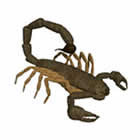
For slugs and snails in garden beds, Deadline Force II Slug and Snail Killer or Sluggo Plus can be scattered around plants without harm to surrounding vegetation. For scorpions in the Southwest, focus residual sprays along block walls, in block wall void openings, around rock features, and in woodpiles where scorpions shelter during the day.

Reapply outdoor perimeter treatments every 30 to 90 days throughout the active pest season, and always retreat after heavy rainfall that may dilute or displace the product.

Common Crawling Insects

Ants

Ants are the most commonly reported household pest in the United States. More than 700 species of ants are found across North America, but a small nu

What's this? Check "Remember Me" to access your shopping cart on this computer even if you are not signed in.