


Carpenter Bees Control Products

Loading...

Protect your home with effective pest control for carpenter bees using our specialized insecticides and traps. Our carpenter bee insecticides are designed for long-lasting results, targeting these destructive pests at the source. Whether you need a professional-strength insecticide for carpenter bees or a safe, easy-to-use solution, we have the right products to keep your structures intact. Take control today with proven carpenter bee pesticides from DIY Pest Control.

We carry a complete professional line of easy-to-apply carpenter bee control products to kill carpenter bees and prevent their damage. If you start early enough (springtime - March and April), you can prevent these destructive pests from drilling holes in the exterior of your home. Use a high-quality residual insecticide like Cyzmic CS. This insecticide treatment will repel the carpenter bees for a couple of months. If you have an active infestation, use one of our kits that contain a liquid insecticide, dust, and duster.

For those that want a non-chemical approach we carry easy-to-use carpenter bee traps.

Items 1-16 of 37

Set Descending Direction
Page
per page

How to Choose the Right Pest Control for Carpenter Bees

Carpenter bees bore perfectly round, half-inch holes into untreated or weathered wood, including fascia boards, deck railings, eaves, and siding. Left unchecked, returning generations enlarge existing galleries year after year, weakening structural wood and inviting moisture damage and woodpecker activity. Effective pest control for carpenter bees requires matching the right product type to the stage of your infestation and the areas you need to protect.

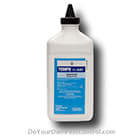
Insecticidal Dusts are the go-to treatment for active carpenter bee holes. A product like Tempo Dust is applied directly into galleries using a hand bellow duster, coating the interior walls where bees travel. Dusts provide extended residual control inside tunnels, killing adult bees and larvae that come into contact with the treated surfaces. For best results, apply the dust and leave the hole open for 24 to 48 hours so returning bees pass through the treated zone before sealing with a Carpenter Bee Blocker or wood putty.

Liquid Carpenter Bee Insecticides are used as a preventive barrier on exterior wood surfaces before carpenter bee season begins. Microencapsulated formulations, like Cyzmic CS and Avesta CS, bond to wood surfaces and provide up to 90 days of residual protection. Spray these products on eaves, fascia, trim, decks, and other exposed wood in early spring (March and April) to deter female bees from drilling new holes. A wettable powder such as Demon WP is another effective insecticide for carpenter bees that offers strong residual activity on porous wood surfaces.

Carpenter Bee Kits combine a liquid insecticide, dust, and duster into a single package, giving you everything you need for a complete treatment. The DIY Pro Carpenter Bee Kit is our most popular option and includes professional-grade products for both prevention and active gallery treatment. For a lighter infestation or a smaller property, the Carpenter Bee Kit - Basic provides the same approach at a lower cost.

Carpenter Bee Traps are a chemical-free option that works well alongside insecticide treatments or on its own for those who prefer a pesticide for carpenter bees that does not involve spraying. The Pine Wood Carpenter Bee Box Trap mimics an existing gallery entrance, attracting bees into a collection chamber they cannot escape. Mount traps near areas of known activity, ideally at the peak of the roofline or along fascia boards, for the highest catch rates.

pest control for carpenter bees

When and How to Apply Carpenter Bee Pesticides

Timing is critical when using a carpenter bee pesticide. Adult carpenter bees emerge in spring, typically from late March through May, depending on your region. This is the window when females are actively searching for nesting sites and when preventive sprays are most effective.

For prevention, apply a residual liquid insecticide to all exposed, unpainted wood before you notice bee activity. Pay close attention to the undersides of railings, the ends of deck boards, and the areas beneath eaves where carpenter bees prefer to drill. Reapply every 60 to 90 days through late summer if activity continues.

For active infestations, treat each gallery entrance with an insecticidal dust during early morning or late evening when bees are less active. After dusting, follow up with a liquid carpenter bee insecticide sprayed around the gallery entrance and surrounding wood to catch any bees that land nearby. This two-step approach of dust plus liquid spray is the same method used by licensed pest control operators.

Staining or painting bare wood is an important long-term prevention measure. Carpenter bees strongly prefer unfinished, softwood surfaces. Treating wood with paint or a quality wood stain significantly reduces its appeal as a nesting site. Combine a surface finish with seasonal applications of a pesticide for carpenter bees, and you can break the cycle of reinfestation.

Why Choose DIY Pest Control for Carpenter Bee Products

At DIY Pest Control, we have been supplying professional-grade pest control for carpenter bees to homeowners, businesses, and licensed pest control operators for over 30 years. Every carpenter bee insecticide and trap we carry is the same product used by professionals in the field, available to you at competitive pricing with fast, free shipping from our warehouses in Georgia and Arizona.

Our knowledgeable staff can help you identify the right product and walk you through the application process. If you have questions about your specific situation, call us at 1-800-476-3368 or reach out online.

FAQs About Carpenter Bee Products

How can I tell the difference between carpenter bees and bumble bees?

The quickest way to tell them apart is by looking at the abdomen. Carpenter bees have a shiny, smooth black abdomen, while bumble bees have a fuzzy abdomen covered in dense hair, often with yellow markings. Carpenter bees are also solitary insects that nest in wood rather than underground. If you see large bees hovering near your eaves, fascia, or deck and notice round holes with sawdust below, you are almost certainly dealing with carpenter bees. Learn more in our guide to getting rid of carpenter bees.

Do carpenter bees sting?

Male carpenter bees cannot sting at all. They are the ones you most often notice hovering near nesting sites because they patrol the area to defend territory and attract mates. Female carpenter bees are capable of stinging but are very docile and will only sting if directly handled or aggressively provoked. Carpenter bees are far less likely to sting than wasps, yellow jackets, or honey bees.

Do carpenter bees eat wood?

No. Carpenter bees do not consume wood. They use their strong mandibles to chew through wood and excavate nesting tunnels, but they discard the wood shavings rather than eat them. The piles of coarse, sawdust-like material you find beneath their entry holes are the chewed wood particles pushed out during construction. Carpenter bees feed on flower nectar and pollen, which they also use to provision food for their larvae inside the galleries.

What kind of wood do carpenter bees prefer?

Carpenter bees are attracted to softwoods such as pine, cedar, cypress, redwood, and fir. They strongly prefer bare, unpainted, or weathered wood and are drawn to surfaces with existing nail holes, cracks, or splinters that give them a head start. Hardwoods are rarely attacked, and wood that is well-maintained with paint, polyurethane, or a quality exterior finish is far less attractive. Common targets include fascia boards, deck railings, eaves, fence posts, porch ceilings, and outdoor furniture.

Can carpenter bees cause serious structural damage?

A single carpenter bee gallery is unlikely to compromise a structure. The concern is cumulative damage over time. Females often return to the same nesting site year after year, and their offspring expand existing tunnels. After multiple seasons, a single piece of wood can contain branching galleries several feet long. This weakens the wood and creates entry points for moisture, rot, and decay. Woodpeckers also enlarge carpenter bee holes while feeding on larvae, which accelerates the damage. Treating infestations early with a carpenter bee pesticide prevents small problems from becoming costly repairs.

Are carpenter bee traps effective?

Carpenter bee traps can reduce populations in targeted areas, especially when placed early in the season before nesting activity ramps up. Traps work best when mounted near existing holes or in spots where you have observed bee activity in previous years. They are most effective as part of a broader pest control for carpenter bees strategy that also includes treating wood with a residual insecticide and sealing old galleries. For chemical-free control, traps provide a practical option that catches bees without the use of sprays or dusts.

Shop Carpenter Bee Control Products at DIY Pest Control

Don't wait until carpenter bees have riddled your home with tunnels. Whether you are a homeowner protecting a deck, a business owner maintaining a commercial property, or a pest control operator stocking up for the season, we have what you need. Browse our full selection of dusts and powders, liquid insecticides, carpenter bee kits, and traps to find the right solution for your situation. Shop now and get fast, free shipping on every order.

What's this? Check "Remember Me" to access your shopping cart on this computer even if you are not signed in.