

Square Footage Calculator for Pest Spraying: Precision Pest Control Guide
Earwig Control
If you’ve ever seen an earwig, they can appear quite menacing. While the forceps at the end of their abdomens make them look dangerous, these insects really only pose a problem to live plants. Once inside your home, they’re simply unsettling to see. If you have an earwig problem, we can recommend some effective DIY pest control solutions to help.
Earwig Identification and Habits
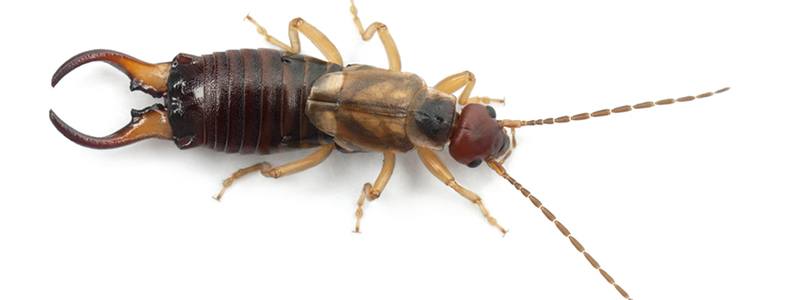
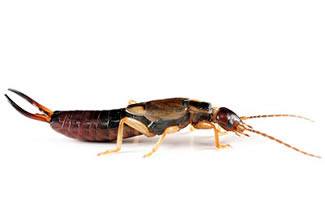
Earwigs are easily recognizable by their pincers at the ends of their abdomen. They’re dark reddish-brown with light brown legs, and they’re usually about ⅝” long.
These insects are primarily nocturnal and feed at night, so you’re unlikely to see them in sunny spots. However, some earwig species are attracted to bright lights. Earwigs eat live plants and can damage field crops, making them a nuisance in gardens or on farms. When found in homes, earwigs typically get in through doors, windows, or the foundation.
Are Earwigs Dangerous?
Do earwigs crawl in your ear at night and lay eggs? No, but the old wives’ tale is why these insects are believed to be dangerous. Earwigs are actually harmless and even beneficial. However, when they get inside your home, they can become a nuisance.
How to Eliminate Earwigs
When it comes to removing earwigs permanently, treating the exterior perimeter of your home is crucial. We recommend using concentrated sprays and granular insecticides for the easiest DIY earwig control.
Best Insecticides for Earwigs
Our recommended earwig control products and treatments are:
- Bifen I/T: Bifen I/T is a low-oder insecticide that's ideal for turf applications, which makes it well-suited to earwig treatment.
- Avesta CS: Our top recommendation for effective earwig control. With lambda-cyhalothrin 9.7% as its active ingredient, Avesta CS is highly successful at eliminating earwigs, and each application lasts 2-3 months.
- Cyper WSP: This insecticide comes in water-soluble packets and offers very fast and long-lasting earwig control.
These products can all be used outside where earwigs tend to gather. If you have earwigs inside your home, we recommend using a supplement crack and crevice treatment like the PT 221L Residual Insecticide Aerosol. This spray can be applied along baseboards, beneath cabinets, and other hiding spots on the ground level of your home.
Tips for Earwig Control From Our Experts
For effective earwig control, follow these tips from DIY Pest Control’s in-house experts:
- Removing earwig habitats is very important. As they are attracted to lights, removing some of the outdoor lighting close to your home might be best if you have an earwig problem.
- Most insecticide treatment should be done outside, with application around the building foundation, flower beds, mulch areas, and turf within a couple of yards of the building. We also recommend treating the crawl space areas of the home.
- Treat in a 3-6’ band around the building adjacent to the foundation (perimeter treatment) to stop or limit earwigs from getting indoors.
Preventing Future Earwig Infestations
Once you’ve gotten rid of earwigs, you’re probably wondering how to stop them from coming back. Here are our tips for earwig prevention:
- Because earwigs are attracted to moisture, it’s essential to eliminate high-moisture areas. Earwigs are often found around foundations, in mulch, under stones, boards, etc.
- Rain gutters and spouts should direct water away from the house foundation.
- Apply caulk or use weather stripping at all possible entry points, like doors, windows, pipes, and other entry points at the ground level
- Change landscaping by creating a clean, dry border immediately around the foundation wall. Gravel or ornamental stones can make an attractive barrier against earwigs and other pest invaders.
Count on DIY Pest Control for Earwig Control Solutions
DIY Pest Control offers a selection of earwig control solutions for inside and outside your home. Our team of experts can recommend the most effective strategy for keeping these pests away from your property. And because earwigs often share habitats with other pests like centipedes, sow bugs, and millipedes, we can recommend a comprehensive pest control plan that eliminates creepy crawlies for good.
Frequently Asked Questions About Earwig Control
Where do earwigs like to hide?
Earwigs naturally seek out dark, moist areas and feed on live plants. It’s very common to find them in mulch, pine, straw, and leaf litter. They also crawl under stones and sidewalks.
When is the best time to spray for earwigs?
Earwigs are overwintering insects, but they spend the winter in soil rather than seeking refuge indoors. We recommend applying insecticides in the spring and summer to control earwig populations.
Do you sell earwig traps?
Yes. While pesticides are the best way to eliminate earwigs fast, traps can also be used, like the Springstar Biocare Earwig Trap.
Related Articles
Get Rid Of Earwigs
If you have an active earwig infestation, follow these guidelines to get rid of earwigs in your house.
Earwig Appearance
Earwigs are easily recognizable by their pincers (forceps harmless to humans) at the ends of their abdomen. They are dark reddish‐brown, with light brown legs, and are about 5/8 inch long.
Earwig Biology and Habits
Biology
In a season, females reproduce up to 20‐60 eggs laid in burrows (called chambers), 2 to 3 inches beneath the soil. Most species have one generation a year, over-wintering in the soil. Both adults and the young require moisture to live.
Habits
- Earwigs are primarily nocturnal, feeding at night. They are scavengers, eating mostly dead insects and decomposing plant materials.
- Some earwig species are attracted to lights.
- During the day, earwigs will seek shelter under organic matter such as mulch, pine straw, leaf litter, and other debris. Earwigs prefer dark and damp areas like under sidewalks and stones.
- Earwigs eat live plants and can do damage to field crops.
- Earwigs are found in homes and can get in through entry points like doors and windows and the foundation.
- Their populations build up around foundations. Earwigs produce large populations rather quickly and are often a major problem in new subdivisions.
- Earwigs live in habitats that also harbor centipedes, sow bugs (roly-poly), and millipedes.
Key Takeaway
Treating the exterior perimeter is crucial when trying to keep earwigs from entering the structure. Concentrated sprays and granular insecticides are both well-suited to the task.
How To Get Rid Of Earwigs
Recommended products and treatment are:
All these products are odorless and will provide excellent results.
Bifen IT may be used outside only (limited inside usage) and is a recommended insecticide for mosquito and tick control.
Cyper WSP has been a very popular product but has a slightly visible film that can be seen against darker surfaces.
Avest CS is odorless, long-lasting, and may be used in or outside with no visible residue.
If earwigs are coming indoors, use a supplemental treatment such as a crack and crevice aerosol, spraying along the baseboards, beneath cabinets, and other hiding places on the ground level.
- A recommended aerosol would be PT 221L Residual Insecticide Aerosol.
- It comes with crack and crevice tools to spay with a fine stream.
Removing earwig habitats is very important to the control of all insects, including earwigs. As they are attracted to lights, it might reduce some of the lightings outside at night.
- Most insecticide treatment should be done outside with application around the building foundation, flower beds, mulch areas, and turf within a couple of yards of the building and in the crawl space areas of the home.
- Treat in a three to six-foot band around the building adjacent to the foundation (perimeter treatment) to stop or limit earwigs from getting indoors.
- Spring and Summer are the best times to apply insecticides.
Earwig Prevention
- Because earwigs are attracted to moisture, it is essential to eliminate high moisture areas. Earwigs may be present, although invisible during the day around foundations, in mulch, under stones, boards, etc.
- Look for ways to eliminate damp, moist conditions, particularly around crawl spaces, faucets, and along the foundations.
- Rain gutters and spouts should direct water away from the house foundation.
- Caulk or use weather stripping at all possible entry points such as doors, windows, pipes, and other entry points at the ground level
- Change landscaping by creating a clean, dry border immediately around the foundation wall. Gravel or ornamental stones can make an attractive barrier against earwigs and other pest invaders.


