


Algaecides

Loading...

A pond turning pea-soup green, a pool clouding overnight, or floating mats of stringy algae taking over a water feature are all signs that algae has outpaced what the water can handle on its own. DIY Pest Control carries professional-grade algaecide products that eliminate Planktonic, Filamentous, Chara, and other problem algae in ponds, lakes, water features, and pools without taking over your weekend. Pond owners, golf course managers, and pest control operators depend on these formulations for fast, predictable clearing. Orders ship fast and free out of our Georgia and Arizona warehouses.

The best algaecides match the type of algae you have, the volume of water you are treating, and any fish or wildlife living in the water, so picking the right product matters as much as the timing.

7 Items

Set Descending Direction
per page

Why Algae Control Matters for Ponds, Lakes, and Pools

A little algae is a normal part of any healthy aquatic environment, but unchecked growth quickly becomes a real problem. Heavy blooms block sunlight from reaching submerged plants, deplete oxygen overnight as algae die off, and can wipe out fish in a single warm-weather event. Pool surfaces stain, water clouds, and biofilm builds up on liners and equipment. A properly chosen algaecide brings water back into balance, restores clarity, and protects the fish, equipment, and water quality you have invested in. Used as part of a regular maintenance program, the same products prevent the next bloom before it starts.

Identifying the Algae You Are Treating

Treatment success starts with identification. The wrong product on the wrong algae wastes money and leaves the problem in place.

Planktonic Algae

Planktonic algae float through the water column and turn the water green, brown, or even reddish. They are the cause of most "pea soup" pond water and they multiply fast in warm, nutrient-rich conditions.

Filamentous Algae

Filamentous algae form long strings and floating mats, often called pond scum. They typically start on the bottom in shallow areas with sunlight penetration, then break loose and float to the surface as they grow.

Chara

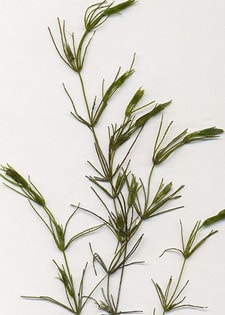
Chara looks and feels like a rooted plant but is actually a complex algae. It has a gritty texture and a distinctive musky smell. Chara grows on the bottom of clear, hard-water ponds and is commonly mistaken for an aquatic weed.

Pool and Water Feature Algae

Pool algaecide and pool-rated algaecides for pools target green, black, and mustard algae in chlorinated water, working alongside sanitizer to keep surfaces clear and prevent biofilm buildup.

Clear backyard pond with rocks and lush surrounding plants reflecting in the water

Choosing the Right Algaecide

Copper-Based Algaecides

Copper-based products are the workhorse of pond and lake algae control, effective on a broad range of algae types when applied at the correct rate for the water volume. They are commonly used for both planktonic and filamentous algae.

Granular vs. Liquid Algaecide

Granular algaecides sink before dissolving, which makes them ideal for bottom-growing algae like Chara and for large open-water areas. Liquid algaecides spread quickly through the water column and are often the right choice for fast-spreading planktonic blooms.

Pond Dyes as Part of the Program

Pond dyes are not algaecides themselves but they reduce sunlight penetration, which limits the photosynthesis algae need to grow. Used alongside an algaecide, dyes extend the time between treatments and improve overall water clarity.

Application Tips for Better Results

Treat early in the season before algae populations explode. Calculate the water volume accurately, since under-dosing wastes product and over-dosing can stress fish. Treat in sections on larger ponds and wait several days between sections so dissolved oxygen has time to recover after dying algae break down. Always read and follow the label, including any restrictions on swimming, fishing, livestock watering, or irrigation use.

Related Lawn and Garden Categories

Algae control fits into a larger water and landscape management program. Useful related categories include:

Filamentous algae mat floating on the surface of a pond or lake

Frequently Asked Questions

How long does an algaecide take to work?

Most pond algaecides start visibly working within 24 to 72 hours, with full clearing of dead algae taking one to two weeks depending on water temperature and the size of the bloom. Pool algaecide typically works much faster, often within a single day alongside proper sanitizer levels.

Is pool algaecide safe for fish?

Pool algaecides are not labeled for use in fish-bearing water and can be toxic to fish at typical application rates. Always select a product labeled specifically for pond and lake use when fish are present.

How often should I apply algaecides to my pond?

Most pond algaecide programs use a maintenance dose every two to four weeks during the warm season, plus a stronger initial treatment if the bloom is already established. Combining the algaecide with a pond dye usually stretches that interval.

Can I swim or fish after applying an algaecide?

Re-entry intervals for swimming, fishing, and livestock watering vary by product, with some allowing immediate use and others requiring 24 hours or more. The label is the only reliable source for the specific product you are using.

What is the difference between an algaecide and an aquatic herbicide?

An algaecide targets algae specifically, while an aquatic herbicide targets rooted or floating aquatic plants like duckweed, hydrilla, and pondweed. Many ponds need both at different points in the season, since algae and aquatic weeds often appear together.

Order Algaecides from DIY Pest Control

Take back your pond, lake, water feature, or pool with proven algaecide products from the brands that lake managers and pool professionals actually use. Whether you are dealing with green water, floating mats, bottom-growing Chara, or pool surface algae, our team can help you size the dose to your water volume and pick the right chemistry for the job. Call 1-800-476-3368 to speak with a DIY Pro before you order.

charaChara Algae are cylindrical plants that grow under fresh water. They have a grainy feel.
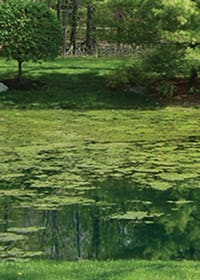

Filamentous Algae (pond scum) is a quick growing algae that form mats that float on the water. This algae can begin growth in pond water with less than 3 feet of water and where sunlight can penetrate to the bottom.
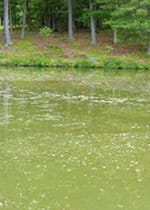

Panktonic algae (known as pea soup algae or green water). It floats on top the water without forming a mat causing the water to look greenish, brown or a red like color. It grows quickly and is called an "algae bloom".
 

What's this? Check "Remember Me" to access your shopping cart on this computer even if you are not signed in.