




Victor Mouse Snap Trap M325
Starting at $4.99
BUNDLE & SAVE 5%!

Product Information
Victor Mouse Snap Trap M325
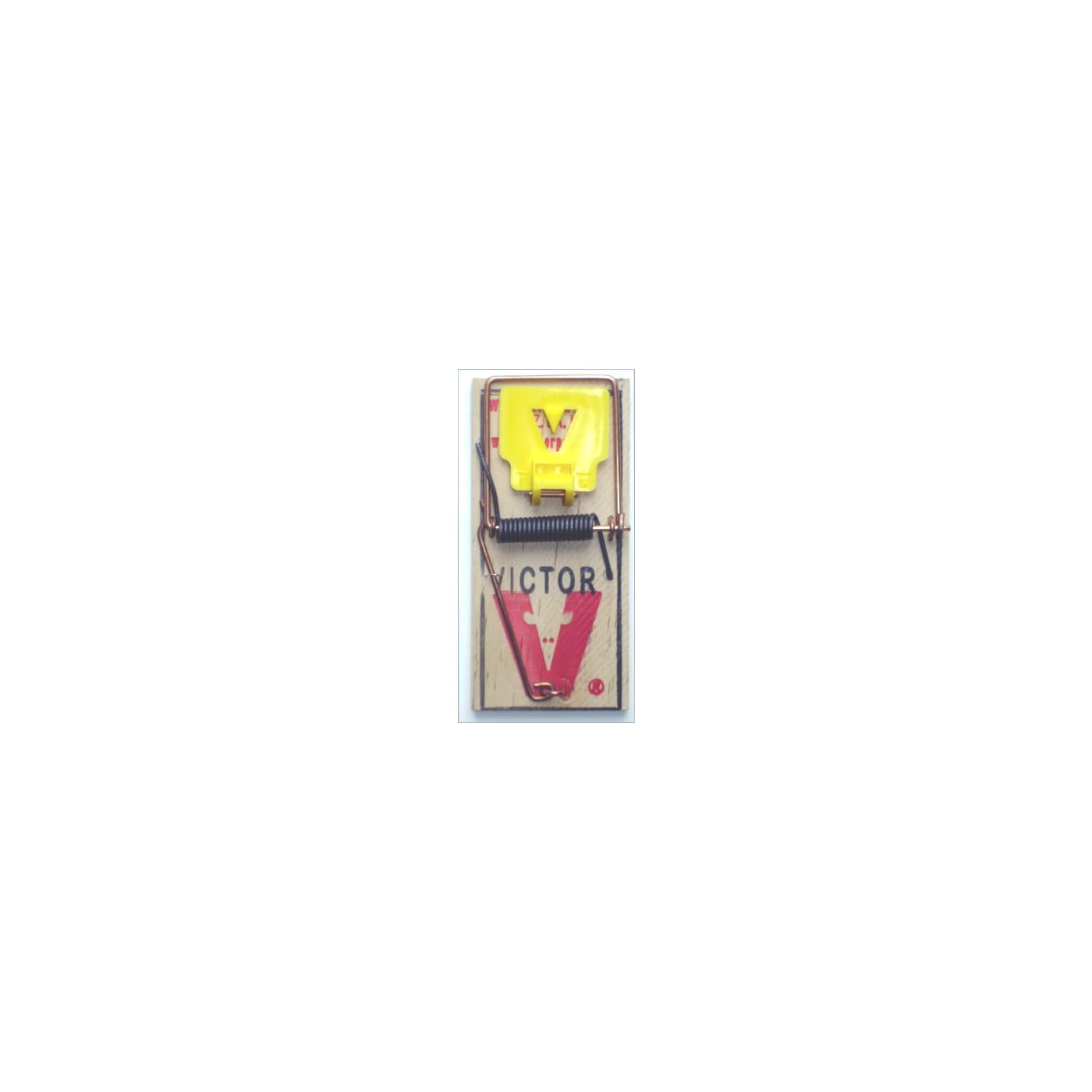
Victor Mouse Trap M 235 is the classic mouse trap. This design features a wooden base, with a very strong metal spring which quickly swipes the bar down onto the mouse once the trap is sprung. The M325 features a wider plastic trigger, making activation quicker then on the traditional narrow metal trigger
Victor mouse traps with the expanded plastic trigger work much better and are more sensitive than the metal triggers.
How To Trap Mice With Victor Mouse Traps
Recommended baits would be a nut butter like peanut butter or the provoke mouse atttractant. Mice also like seeds.
It is very important to use plenty of traps.
As many as six traps for only one or two mice is appropriate.
In a commercial building or restaurant as much as a couple of dozen is needed.
The traps should be placed in darkened corners, along walls, behind appliances and
any areas where droppings have been sighted.
In trapping for mice, place snap traps about 10 feet apart since they don't travel very far.
If the mice population is large, place the traps about 6 feet apart.
Placing rat traps about 15-to 20 feet apart is good for rats.
| Packaging | N/A |
|---|---|
| Product Label | N/A |
| SDS | N/A |
| More PDF's | N/A |
| Target Pest | Mice |
| Active Ingredient (s) | N/A |
| For Use : | Inside or Outside Placing Traps1. Perpendicular to the wall-Traps extending from the wall at a right angle with the trigger end nearly touching the wall. |
| Yield | N/A |
| Mixture|Application | N/A |
| Application | Use a variety of baitsAlthough professional traps do not need to be baited, baiting will increase the catch rate in certain situations. Both a bait trough and a bait hook are provided on the trigger petal. In areas where there is not a readily available food source, use baits that will cause a strong aroma: peanut butter, bacon, nut, Provoke Lure,etc. If the bait is solid, use dental floss to tie it to the trigger. Rodents can easily remove unsecured bait. Where food is abundant, try using nesting material such as cotton, Styrofoam , or any other soft material secured to the trap. Vanilla extract on top of this nesting material would also attract them to it. The Victor Snap trap with the expanded plastic trigger does not need to be baited if properly placed. Tips1. Always make sure that you have the right sized trap for either mice or rat. |
| Shipping Restrictions | N/A |